
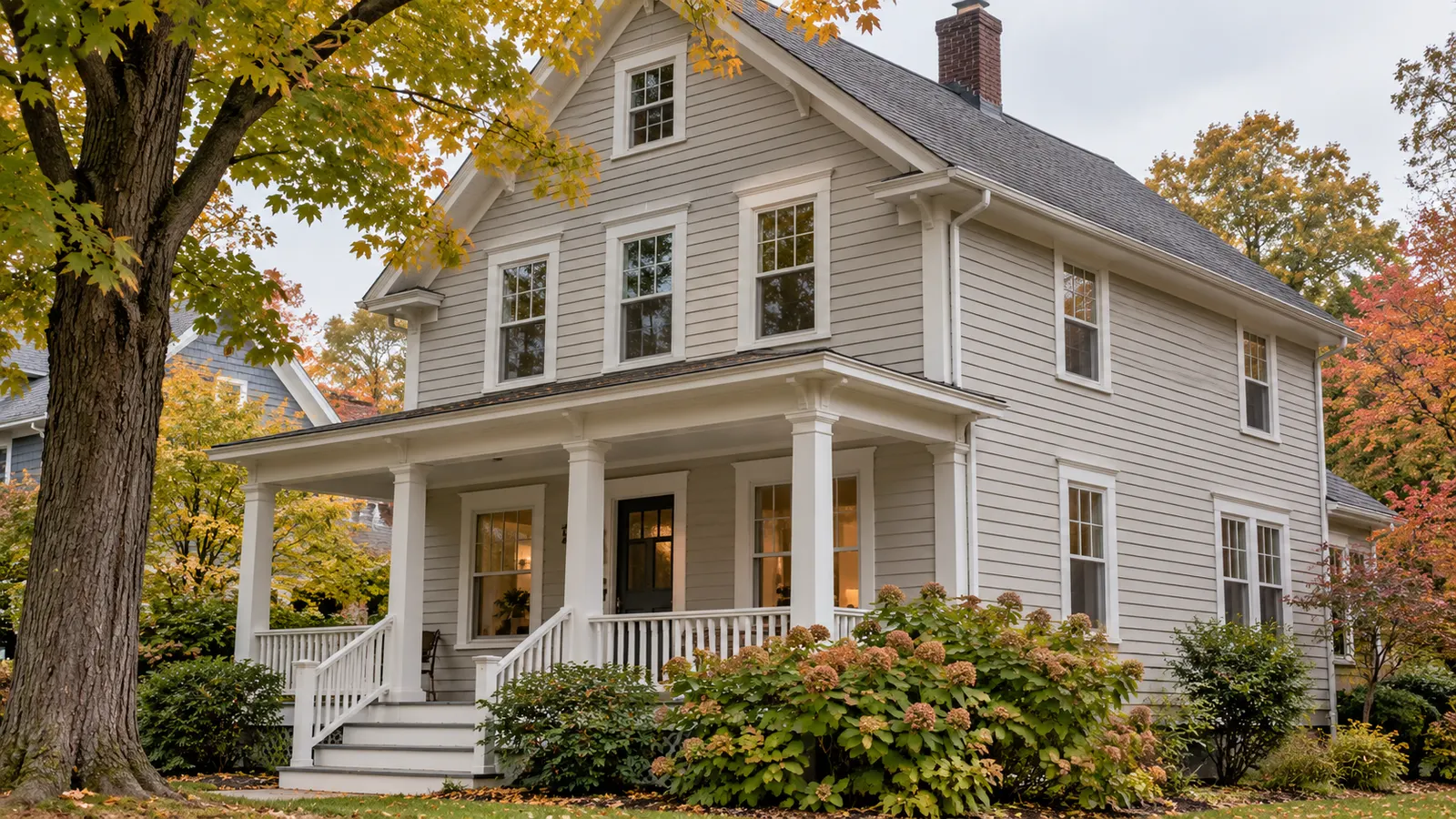
Older homes are one of New England’s strengths. Original trim, solid framing, established neighborhoods, and unique layouts give them character that newer construction often tries to recreate. They can also require a more thoughtful remodeling process—especially when painted surfaces will be disturbed.
If a home was built before 1978, lead-based paint may be present. The U.S. Environmental Protection Agency warns that renovation, repair, and painting work can create dangerous lead dust when lead-based paint is disturbed. That does not mean an older home cannot be remodeled. It means the work should be planned with the age of the property in mind.
Why the Year 1978 Matters
The federal government banned consumer use of lead-based paint in 1978. Paint in good condition is not automatically an active hazard, but cutting, sanding, demolition, window replacement, and other renovation activities can release dust from painted surfaces.
Covered renovation work in many pre-1978 homes and child-occupied facilities is subject to lead-safe requirements. Massachusetts administers its own Lead-Safe Renovation program through the Department of Labor Standards; Connecticut is covered by the EPA-administered Renovation, Repair and Painting program. Firms performing covered work must meet the applicable state or federal licensing, certification, training, containment, work-practice, and recordkeeping requirements.
Which Renovations Can Disturb Painted Surfaces?
Homeowners sometimes associate lead safety only with repainting. Remodeling can affect painted components in many ways, including:
- Removing cabinets, trim, doors, or windows
- Opening walls for electrical or plumbing work
- Enlarging doorways or changing room layouts
- Demolishing an older bathroom or kitchen
- Repairing siding, soffits, porches, or exterior trim
- Sanding or scraping deteriorated coatings
- Creating additions that connect to the original structure
The first planning question should be whether painted surfaces in the work area will be disturbed—not simply whether painting is part of the final scope.
What Lead-Safe Work Changes
Lead-safe practices are designed to keep dust from spreading and to leave the work area properly cleaned. Depending on the project, that may include isolating the work zone, protecting floors and furnishings, controlling dust-producing activities, using appropriate cleanup methods, and completing required verification steps.
These safeguards affect sequencing and site logistics. Families should discuss room access, temporary barriers, HVAC considerations, children and pets, daily cleanup, and which parts of the house will remain usable.
Questions to Ask a Contractor
Before work begins in a pre-1978 home, ask:
- Could this scope disturb painted surfaces?
- Which state or federal lead-safe renovation requirements apply to this project?
- Who will manage lead-safe compliance?
- How will the work area be contained?
- How will dust and debris be removed?
- What should occupants do before and during construction?
- Are testing or additional inspections appropriate?
A careful contractor should not dismiss the age of the home or promise that dust will not be an issue without evaluating the actual scope.
Preserve the Character, Protect the Household
A successful older-home renovation balances preservation with modern performance. Existing trim may be repaired or replicated. Uneven framing may need to be corrected before new cabinets or tile are installed. Plumbing, wiring, insulation, and ventilation can often be improved while the space is open.
The goal is not to strip away everything that makes the house special. It is to understand the existing conditions and build a safer, more functional home around them.
Start Planning With JLans Construction
JLans Construction remodels homes across Massachusetts and Connecticut, including properties where age and existing conditions require additional care. We help homeowners develop a realistic scope, coordinate the correct trades, and think through protection and sequencing before demolition begins.
If your home was built before 1978, tell your contractor during the first conversation. Contact JLans Construction to discuss your project and the steps needed for a thoughtful renovation.